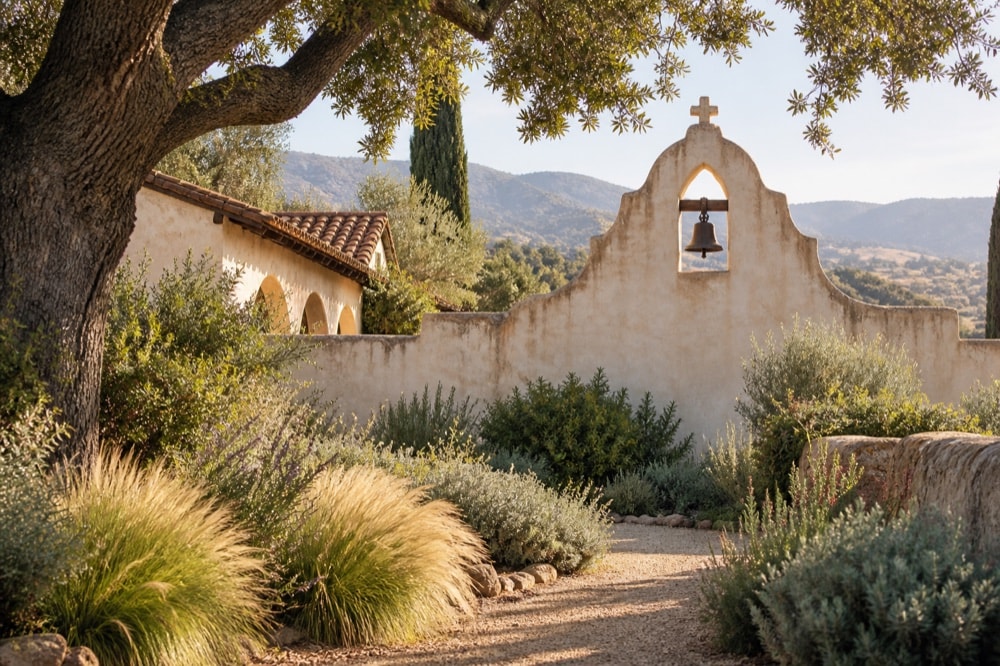
Art and history in the Santa Ynez Valley are distributed across small places. Los Olivos has long gathered galleries near its walkable center. Solvang's museums examine Danish-American settlement and local culture. Santa Ynez carries the material memory of ranching and overland travel. Mission Santa Inés stands near the eastern edge of that circuit, beautiful and inseparable from the colonial system it represents.
The Chumash present
The Chumash are not only a subject in a historical display. The Santa Ynez Band of Chumash Indians is a living, federally recognized tribe and a self-governing sovereign nation with its reservation in the valley. The tribe's own government and culture resources are the right starting point for learning about its community in the present tense.
Tribal source: The Santa Ynez Band of Chumash Indians describes its government, culture and living history in its own voice. Visit the tribal government's website.
Mission Santa Inés
Founded in 1804, Mission Santa Inés was the nineteenth Spanish mission established in Alta California. Its adobe buildings, church, archeological remains and water systems preserve an important physical record. That record includes forced cultural change, labor and the Chumash Revolt of 1824; the site should not be reduced to architecture alone.
The National Park Service describes the mission as both a significant surviving complex and a place where Indigenous resistance to colonization is visible. Today it remains an active parish as well as a historic site. Keep visits respectful and confirm access directly.
Historical source: The National Park Service outlines the mission's founding, surviving landscape and role in the Chumash Revolt. Read the NPS history of Mission Santa Inés.
Small museums, specific stories
The valley's small museums have traditionally focused on different lenses: Danish-American settlement in Solvang, ranching and carriage history in Santa Ynez, local nature and regional art. Current exhibitions and access change, so choose the subject that matters first and verify practical details with the institution afterward.
That approach is more rewarding than trying to collect every museum in one afternoon. A single focused visit, followed by a walk through the town where the story unfolded, connects objects to landscape.
Art in the villages
Los Olivos is the natural center for gallery walking, while creative work also appears in Solvang, Los Alamos and smaller settings throughout the valley. Look for painting, ceramics, photography and work shaped by the surrounding oak, ranch and vineyard landscape. This guide does not list galleries or assert who is currently exhibiting.
Pair a cultural morning with the six-community guide, or follow the architecture and objects into the shopping streets without confusing commercial browsing with museum interpretation.