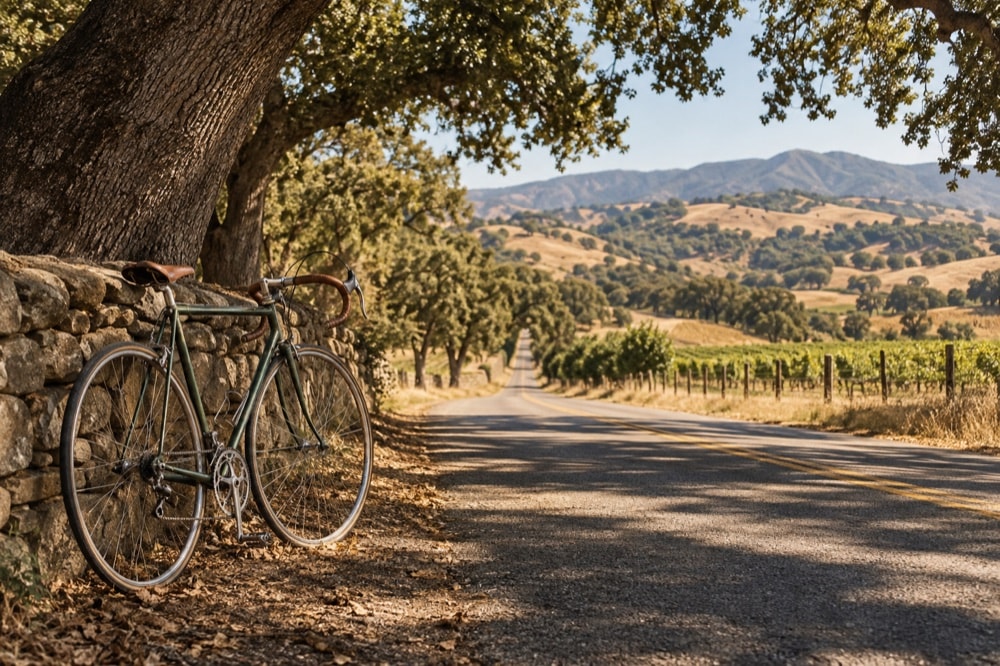
A hard hiking or cycling day can be the center of a Santa Ynez Valley trip, but it should not consume the whole visit. Inland warmth, exposed terrain, climbing and long rural roads can make an outing feel larger than its mileage. Build the route around conditions and your own experience, then give the next day a gentler shape.
Before leaving
Read a current route description and check distance, elevation, surface, access and shade. Look at the forecast for the actual inland location, not only the coast. Tell someone the plan, download or carry the route, and identify the point where turning around still leaves a comfortable return.
Carry enough water for the conditions and activity, along with food you already know works for you. Sun protection, suitable footwear, layers and a basic repair kit belong in the plan. On a bicycle, use visible clothing and lights, and expect shoulder width and pavement quality to vary.
Heat guidance: The National Weather Service explains heat alerts, signs of heat illness and practical safety measures. Read current NWS heat-safety guidance.
Keep options open on the route
An itinerary is not a contract. Shorten it when heat, wind, smoke, fatigue, equipment trouble or changing access makes the original plan unwise. Rest in shade when available, drink regularly, and do not treat a summit, loop or mileage target as mandatory.
Road riders should account for the return wind and avoid routes that depend on an optimistic pace near dusk. Walkers should notice how exposure changes after the morning. Anyone who feels unwell should stop, seek a safer setting and use appropriate emergency help when needed.
Shape the hours afterward
Finish with enough time to cool down, eat, change into dry clothing and settle before a long drive. A quiet dinner close to where you are staying is usually more satisfying than another cross-valley errand. Alcohol can complicate judgment and hydration, so keep it separate from a demanding route.
The next morning can be intentionally easy: a village walk, a museum, a shaded bench with coffee or a short scenic drive. Gentle movement may feel welcome after a long day, but comfort is individual. If pain, illness or unusual symptoms are a concern, seek advice from a qualified healthcare professional rather than relying on a travel guide.
A balanced two-day pattern
- First evening: confirm weather, route and access; prepare water, clothing and navigation.
- Outdoor morning: start early, maintain a conservative pace and reassess at the planned turnaround.
- Later that day: keep meals and travel simple; leave room to rest.
- Following morning: choose a low-pressure town or cultural activity and adjust by how you feel.
The valley offers good companions to a demanding route. Browse art and historical context, compare the six communities, or use the planning framework to keep the next day compact.